
Court Trials in Dubai
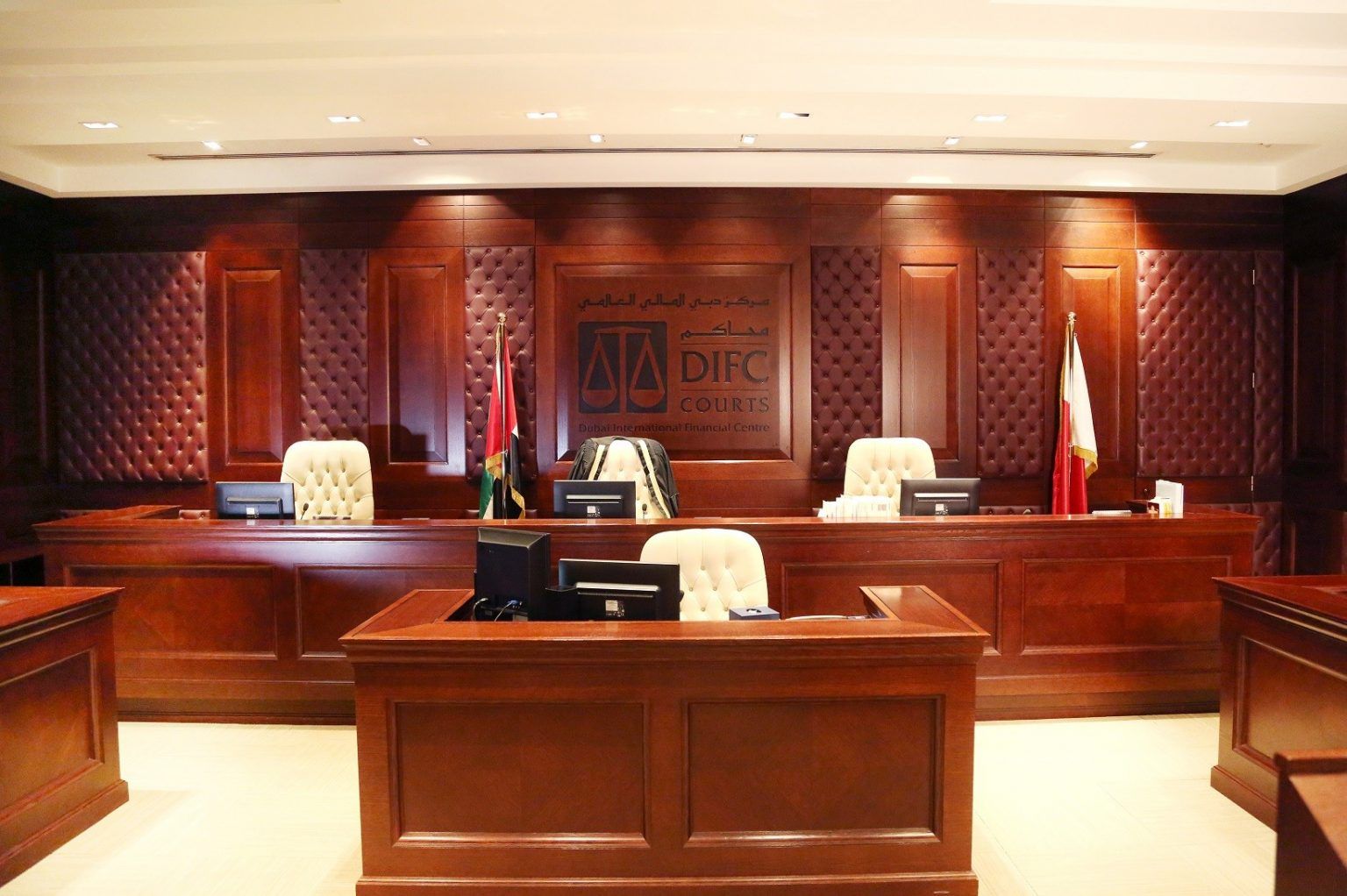
Overview of the Dubai Court System
The Dubai court system is designed to provide a fair and efficient means of resolving disputes. The system is based on a hierarchical structure, with the Court of First Instance being the lowest level and the Court of Cassation being the highest. The Court of First Instance hears cases related to civil, commercial, and criminal matters, while the Court of Appeal hears appeals from the Court of First Instance. The Court of Cassation, on the other hand, hears appeals from the Court of Appeal and has the final say in all matters.

Laws and Regulations
The laws and regulations governing court trials in Dubai are based on a combination of Sharia and civil law. Sharia law is applied in cases related to personal status, such as marriage, divorce, and inheritance, while civil law is applied in cases related to commercial and civil matters. The UAE's Federal Law No. 35 of 1992 provides the framework for the procedures and rules of evidence in court trials. The law also establishes the powers and jurisdiction of the courts, as well as the rights and obligations of the parties involved.
Sources of Law
The sources of law in Dubai include the UAE's Federal Law No. 35 of 1992, as well as other federal laws and regulations. Sharia law is also an important source of law, particularly in cases related to personal status. In addition, the courts in Dubai may also consider international law and conventions, as well as the laws and regulations of other countries, in certain circumstances.
Court Procedures
The procedures for court trials in Dubai are designed to be efficient and fair. The process typically begins with the filing of a claim or complaint by the plaintiff, which is then served on the defendant. The defendant is given a certain period of time to respond to the claim, and the case is then scheduled for a hearing. The hearing is conducted in accordance with the rules of evidence and procedure, and the judge makes a decision based on the evidence presented.
Types of Court Trials
There are several types of court trials in Dubai, including civil, commercial, and criminal trials. Civil trials involve disputes between individuals or companies, while commercial trials involve disputes related to business or trade. Criminal trials, on the other hand, involve cases related to crimes such as theft, assault, or fraud.
Civil Trials
Civil trials in Dubai are governed by the UAE's Federal Law No. 35 of 1992. The law provides the framework for the procedures and rules of evidence in civil cases, and establishes the powers and jurisdiction of the courts. Civil trials typically involve disputes related to contracts, property, or personal injury.
Commercial Trials
Commercial trials in Dubai are also governed by the UAE's Federal Law No. 35 of 1992. The law provides the framework for the procedures and rules of evidence in commercial cases, and establishes the powers and jurisdiction of the courts. Commercial trials typically involve disputes related to business or trade, such as breaches of contract or disputes over intellectual property.
Role of the Judge
The judge plays a crucial role in Court Trials in Dubai.The judge is responsible for hearing the evidence and making a decision based on the law and the facts of the case. The judge is also responsible for ensuring that the trial is conducted fairly and in accordance with the rules of procedure.
Powers of the Judge
The judge in Dubai has a range of powers, including the power to hear evidence, to make decisions, and to impose penalties. The judge is also responsible for ensuring that the trial is conducted efficiently and fairly, and may make orders or rulings as necessary to achieve this goal.
Rights of the Parties
The parties involved in a court trial in Dubai have certain rights, including the right to a fair trial, the right to be represented by a lawyer, and the right to appeal a decision. The parties also have obligations, such as the obligation to provide evidence and to comply with the rules of procedure.
Right to a Fair Trial
The right to a fair trial is a fundamental principle of the Dubai court system. The courts are designed to provide a fair and impartial forum for the resolution of disputes, and the judge is responsible for ensuring that the trial is conducted fairly and in accordance with the law.
Enforcement of Judgments
The enforcement of judgments in Dubai is governed by the UAE's Federal Law No. 35 of 1992. The law provides the framework for the procedures and rules of evidence in enforcement cases, and establishes the powers and jurisdiction of the courts. The courts in Dubai have a range of powers to enforce judgments, including the power to seize assets, to impose fines, and to order imprisonment.
Conclusion
In conclusion, court trials in Dubai are governed by a unique blend of Sharia and civil law. The Dubai court system is designed to provide a fair and efficient means of resolving disputes, and the laws and regulations governing court trials are based on a combination of federal laws and international conventions. The judge plays a crucial role in court trials, and the parties involved have certain rights and obligations. Understanding the court trial process in Dubai is essential for anyone involved in a dispute or legal proceedings in the emirate.
FAQs
What is the basis of the Dubai court system?
The Dubai court system is based on a combination of Sharia and civil law.
What are the different types of court trials in Dubai?
The different types of court trials in Dubai include civil, commercial, and criminal trials.
What is the role of the judge in a court trial in Dubai?
The judge is responsible for hearing the evidence and making a decision based on the law and the facts of the case.
Can a judgment be appealed in Dubai?
Yes, a judgment can be appealed in Dubai, and the appeal is heard by the Court of Appeal or the Court of Cassation.
How are judgments enforced in Dubai?
Judgments are enforced in Dubai through a range of mechanisms, including the seizure of assets, the imposition of fines, and the ordering of imprisonment.
What are the rights of the parties involved in a court trial in Dubai?
The parties involved in a court trial in Dubai have certain rights, including the right to a fair trial, the right to be represented by a lawyer, and the right to appeal a decision.